

YOU DON’T NEED TO BE OUTDOORSY TO GO OUTSIDE
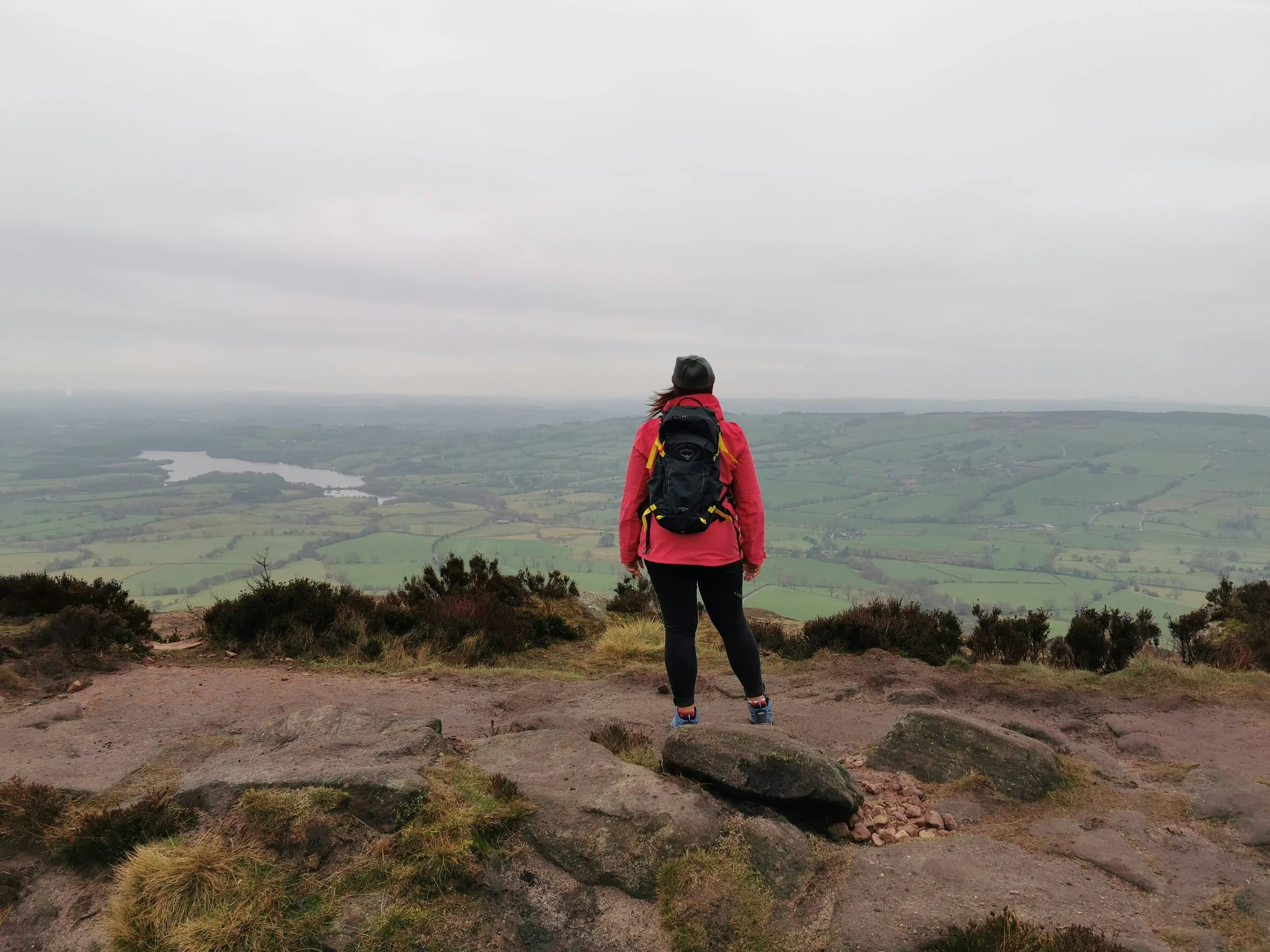
Somewhere along the way, spending time outside became something we started to think we had to be qualified to do. We built an image of what an “outdoorsy person” looks like: the right boots, the right backpack, technical clothing, years of experience, and enough confidence to talk casually about trail conditions, elevation gain, or the best way to set up camp in the rain.
If that description does not sound like you, it can be easy to assume that the outdoors is something you are not quite ready for yet. I do not think that is true.
You do not need a wilderness résumé, expensive equipment, or extensive knowledge before you can start hiking, camping, paddling, or exploring. You do not need to know the difference between every kind of tent, trail shoe, or water filter, and you certainly do not need to look like the person standing on top of a mountain in an outdoor brand’s latest campaign. You simply have to be curious enough to begin.
For a long time, the outdoor world has presented a fairly narrow picture of who belongs there. The people we most often see represented are lean, athletic, experienced, and dressed in technical gear that seems designed for people who already know exactly what they are doing. That image can be inspiring, but it can also make the outdoors feel more exclusive than it really is.
As a bigger-bodied person, I notice those boundaries in practical ways. I have walked into outdoor stores and found that much of the clothing does not come in my size. I have looked at chairs, backpacks, sleeping systems, and other equipment and wondered whether anyone designing them considered someone built like me. I have also been on trails where I move more slowly than the people around me.
None of those things make me any less entitled to be there. A trail does not ask what size pants you wear before allowing you onto it, and a lake does not care whether you have paddled a hundred times or whether this is your first afternoon in a kayak. The outdoors is not something you earn access to once you become fit enough, knowledgeable enough, or adventurous enough. You already have access.
Starting also does not have to mean disappearing into the wilderness for three days with everything you need strapped to your back. In fact, I think one of the easiest ways to become more comfortable outside is to make the first experience smaller than you think it needs to be.
Walk a trail at a city park for thirty minutes. Visit a state park you have driven past a dozen times. Rent a kayak for an hour. Take your coffee somewhere with a view. Walk through a nature preserve or spend one night at an established campground where your car is twenty feet away. Those experiences are not practice for the “real” outdoors. They are the outdoors.
We sometimes make adventure so large in our minds that we accidentally convince ourselves not to have one at all. Going farther can start very close to home.
You probably do not need to buy much before you begin, either. For a short local hike, you may need little more than comfortable shoes, water, weather-appropriate clothing, and a charged phone. Know where you are going, check the weather, and understand the basic conditions you are likely to encounter. As the places you visit become more remote or the activities become more technical, preparation and equipment matter more.
Gear is useful when it solves a real problem. The right backpack can make carrying things more comfortable. Good shoes can make a long trail easier on your feet. A better sleeping pad can turn an uncomfortable night into a surprisingly good one. But gear should not become the price of admission. You do not have to purchase the identity of an outdoor person before you are allowed to become one.
You are also going to get some things wrong. I still do. You will bring something you never use, forget something you wish you had, choose a trail that is harder than you expected, or discover that the weather has completely different plans for your afternoon. You may get tired sooner than expected and decide to turn around.
That is not failure. That is how experience is built.
Nobody starts experienced. Experience is simply the accumulation of all the times you tried something, noticed what worked, learned from what did not, and decided to go out again. You do not become someone who hikes and then go hiking; you go hiking, and eventually realize that hiking has become something you do. The same is true for camping, paddling, backpacking, traveling, or almost anything else that initially feels just beyond your comfort zone.
Curiosity has taken me to a lot of places, and in many cases it mattered more than expertise. There is something valuable about wondering what is around the next bend, what a place looks like in person, or what might happen if you simply decide to go.
So choose somewhere that interests you and start there. Go for an hour. Walk as far as you want. Stop when something catches your attention. Turn around when you have had enough, and perhaps the next time, go a little farther.
You do not have to call yourself an outdoorsman, an adventurer, a hiker, a camper, or anything else before you begin. You do not have to become outdoorsy before you go outside.
Go outside first. The rest can come later.
