

OUTDOOR CLOTHING HAS A SIZE PROBLEM
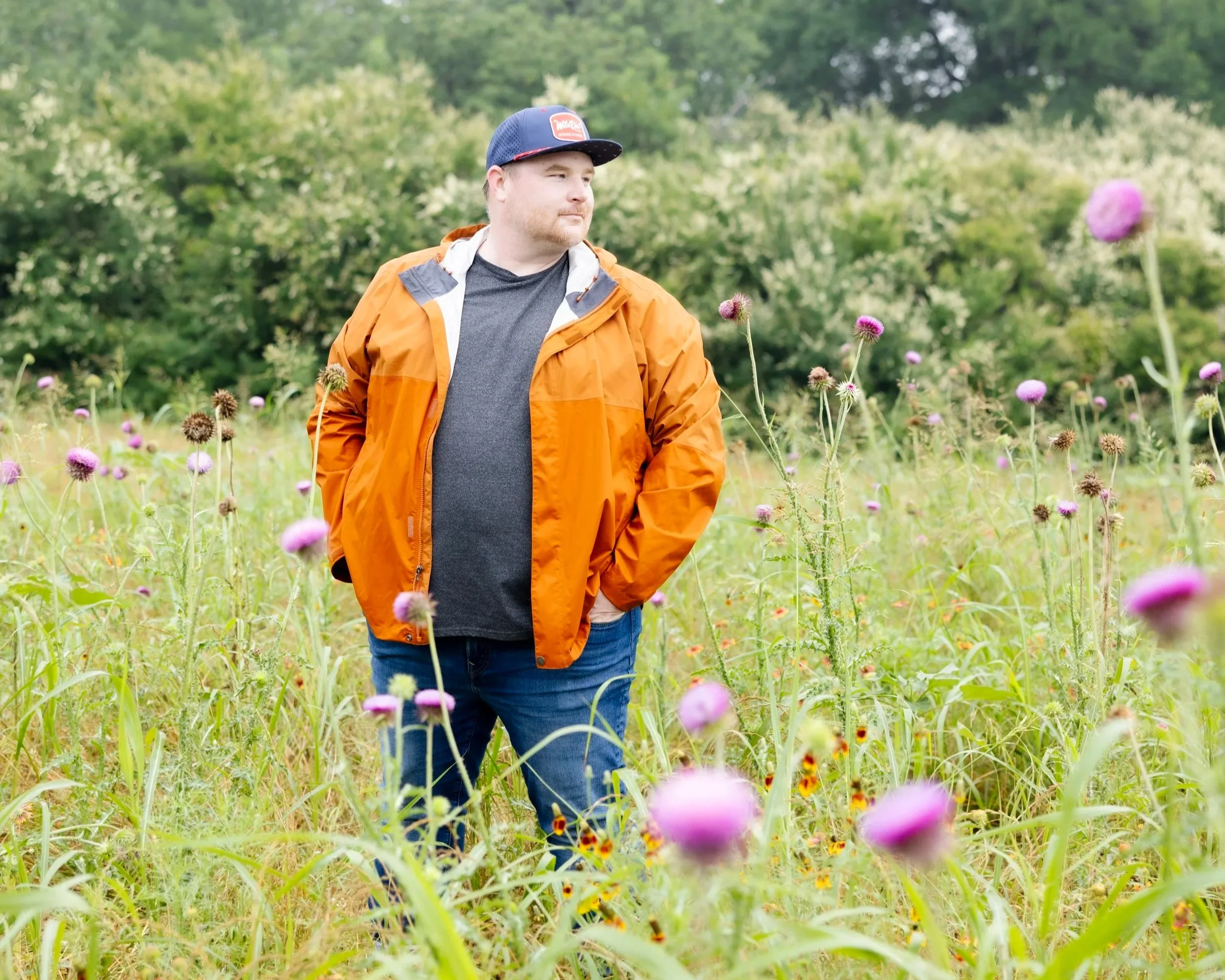
I have spent a surprising amount of time looking for a pair of pants.
Not the perfect pair of pants. Not some highly specialized piece of equipment designed for climbing an 8,000-meter peak. Just technical outdoor pants that fit my body, move well, dry quickly, have useful pockets, and are comfortable enough to wear on a long day outside. That search is harder than it should be.
Being a larger-bodied person who loves the outdoors means I have become very familiar with the phrase “available in select sizes.” I can walk into an outdoor store filled with racks of beautifully designed technical clothing and realize that almost none of it was made with someone like me in mind.
The jackets stop before my size. The hiking pants stop even sooner. The technical shirts might technically be available online, but there is no way to try them on. Sometimes a brand offers larger sizes in a basic cotton T-shirt or sweatshirt while the actual performance pieces, the rain shells, insulated jackets, hiking shorts and technical layers, stop several sizes earlier.
It creates an odd message. You can wear our logo. You just cannot necessarily wear our gear.
And the frustrating part is that this is not simply about wanting more fashion choices. Technical apparel is equipment. A rain jacket needs to fit over the body while still allowing room to move. Hiking shorts need to survive miles of walking without binding, riding up or creating friction. A base layer needs to manage moisture. An insulated jacket needs to keep someone warm without becoming restrictive. Those things matter whether someone wears a small or a much larger size. When the equipment is unavailable, the solution is often compromise.
You wear running shorts instead of hiking shorts. You buy a jacket from a general clothing company instead of an outdoor brand because it is the one that fits. You size up in one brand and discover that the same size from another company is completely different. You order three things online, try everything on at home and send two of them back. Eventually you become very good at studying size charts. You learn which companies run small, which ones offer generous cuts, which products have stretch and which brands technically offer extended sizing but only on a handful of styles. Shopping becomes research.
There is another problem with products that exist only online. Outdoor gear is incredibly tactile. I want to feel the fabric. I want to crouch down in the pants. I want to reach overhead in the jacket. I want to know whether a backpack hip belt sits correctly when I am actually wearing it. Someone wearing a commonly stocked size can walk into a store and do those things. When your size is not stocked, your fitting room is often your living room. That changes the experience of getting outside before you have even gotten outside.
There is also something powerful about the images outdoor brands choose to show us. For decades, the visual language of outdoor adventure has been fairly narrow. Flip through catalogs, websites and social feeds and you see incredibly capable people climbing mountains, skiing steep terrain and hiking through spectacular landscapes.
Increasingly, brands are showing a wider range of people, which is encouraging. But representation becomes less meaningful if the person in the advertisement cannot actually buy the product being advertised.
I want to see bigger people doing things. Not simply standing near a tent. Hiking. Paddling. Sweating. Scrambling over rocks. Getting dirty. Wearing technical equipment designed for their bodies and using it exactly the way technical equipment is supposed to be used. Because larger people are already outside.
We are hiking national parks, camping with friends, walking neighborhood trails, paddling rivers, traveling, backpacking and figuring things out as we go. Some of us are beginners. Some have decades of experience. Our bodies do not automatically determine our ability, ambition or interest in adventure. That is why I think the outdoor industry's conversation around extended sizing needs to move beyond simply adding another number to a size chart. Scaling a garment larger is not necessarily the same thing as designing for a larger body. Proportions change. Mobility matters. Pocket placement matters. Waist construction matters. The length of a jacket matters. The way fabric moves across the body matters. Even small details such as where a seam lands can become very noticeable after several hours on a trail. Inclusive design means actually considering those things.
It means testing products on the people who will wear them. It means stocking some of those products in stores so customers can try them on. It means carrying technical pieces in extended sizes instead of reserving those sizes for lifestyle clothing. And it means treating larger outdoor customers as legitimate participants in the outdoor community rather than a niche marketing opportunity.
I also understand that apparel development is complicated. Every additional size requires patterns, samples, inventory and money. Retailers have limited floor space. Brands have to make decisions about what they believe will sell.
But there is a circular problem here. If companies do not make the product, people cannot buy it. If stores do not stock the product, people cannot discover it. And if larger customers repeatedly learn that outdoor stores do not carry their size, eventually many stop walking through the door.
For me, finding outdoor clothing has become part of the adventure, although I wish it did not have to be. When I find something that genuinely fits and performs well, I notice. I remember the brand. I wear it repeatedly. I tell other people about it. That is part of what I want to explore through Alexander in the Wild. I want to field test gear from the perspective of the body actually using it, including the things that work, the things that do not and the things designers might not have considered. Because getting outside already asks us to overcome enough barriers. Finding a pair of hiking shorts should not be one of them.
